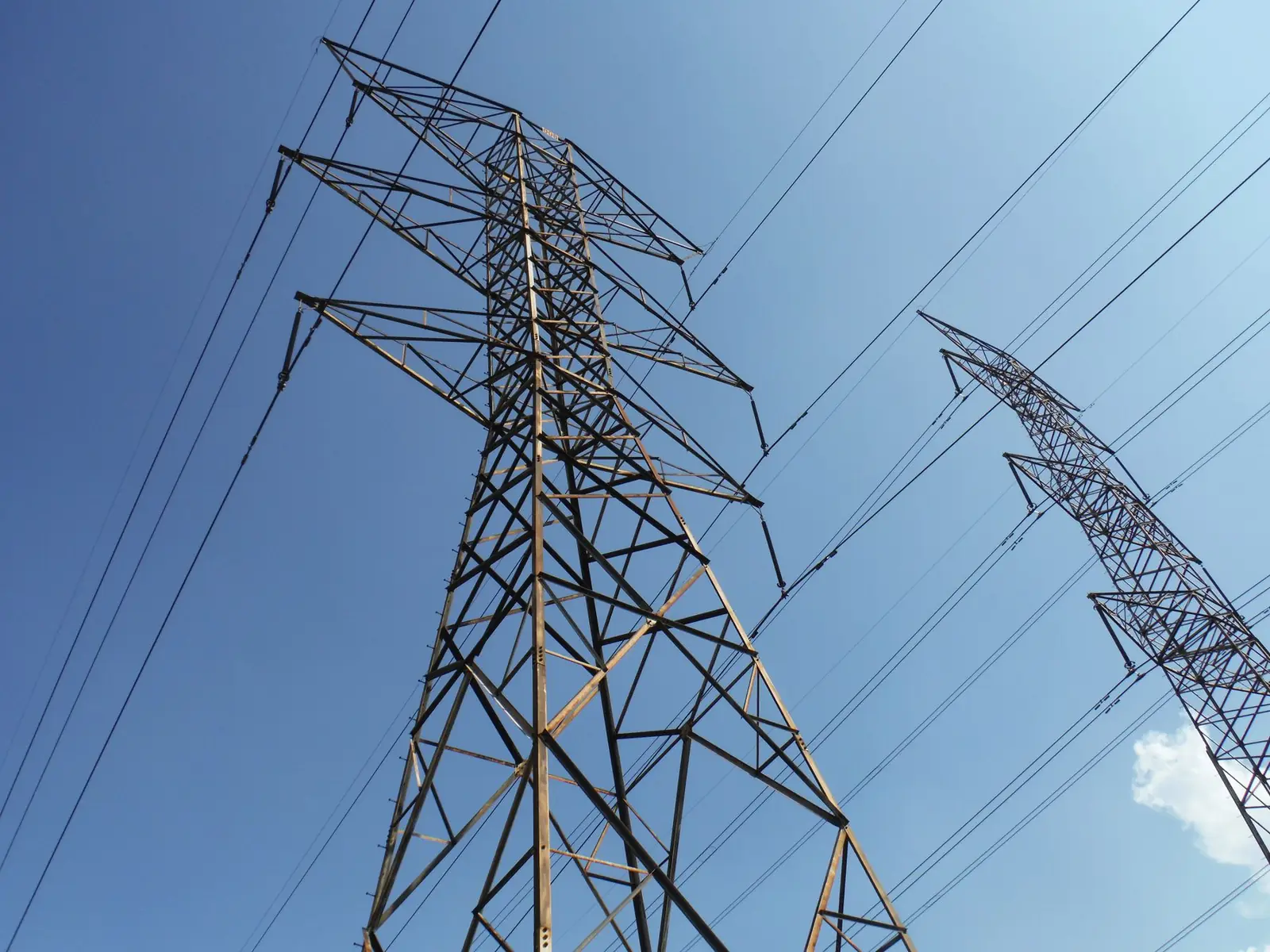
Field and work-order automation
AI and workflow automation can triage reports, raise and route work orders, attach context and handle exceptions between field and back office.
ETT helps utilities and energy operators reduce the manual coordination behind work-order preparation, inspection-document handling and outage communication. This is back-office and field coordination. Safety-critical authorization and control of operational equipment remain with your own systems and people.
Proposed use cases based on how this work is usually organized. None of these is a published client result.
Assembling the job pack — asset history, permits, site access, required documents — so a crew is not held up waiting for paperwork.
Reading returned inspection and maintenance paperwork, extracting the fields the asset record needs, and flagging incomplete or unreadable returns rather than filing them.
Keeping customer and stakeholder communication consistent with what the operational systems actually say during an incident.
A baseline taken after the fact is not a baseline. These are the measures we would ask you to agree, and what each one means, so the before-and-after comparison holds up.
| Measure | What it means |
|---|---|
| Routing time | From a field return or request arriving to it reaching the responsible owner. |
| Incomplete records | Returns missing a required field, measured at the point of submission rather than discovered at audit. |
| Evidence preparation | Effort to assemble a compliance or safety evidence pack. |
| Handover quality | Whether a shift or crew handover contained what the receiving team needed, sampled and reviewed. |
Head of Field Operations or Asset Management, with the control-room lead and the safety and compliance owner.
Utilities, energy and oil & gas teams operate in asset-heavy, safety-critical and heavily regulated environments.
Work spans field operations, maintenance and inspections, control rooms, billing and customer contact, regulatory reporting and large volumes of operational and sensor data across distributed sites.
When that work depends on manual handovers, disconnected systems or paperwork moving between the field and the back office, response slows, compliance becomes harder to evidence and avoidable risk creeps in.
ETT helps these organizations identify where AI and automation can reduce friction and improve visibility, while keeping safety, control and auditability at the center.
AI and workflow automation can triage reports, raise and route work orders, attach context and handle exceptions between field and back office.
AI can extract, classify and route information from inspections, permits, forms, asset records and supplier documents.
Conversational AI can support common outage, connection, meter and billing queries, then route the rest with the right context.
Automation can help assemble regulatory and safety reports, manage evidence and keep an auditable trail across cycles.
Data and analytics can surface asset performance, demand patterns, recurring faults and where automation could reduce risk or cost.
One request, end to end. Each stage shows what happens and the ETT solution behind it, with people kept in control wherever judgment is needed.
Illustrative workflow. The actions, integrations and controls are defined for each deployment. This is not a customer result.
Each stage in detail below, with the systems involved and where a person stays in control.
An engineer, sensor or customer reports a fault, outage or asset issue from the field. Signals from people and machines enter the same workflow.
Asset history, location, SCADA and customer data are pulled together into one view. The full picture forms before anyone is dispatched.
The report is classified against your own published criteria and a suggested priority is attached. The classification is a proposal for the control room, not a safety decision — authorization stays with the person who holds it.
A work order is raised and populated automatically, with the right permits and context attached. The paperwork is done before the engineer reads it.
The right engineer is routed to site with everything they need, and high-risk steps stay under human control. Automation supports the crew; it never overrides safety.
A complete, auditable record is written for safety and regulatory reporting, ready when it is needed. Compliance becomes a by-product of the work, not extra work.
A permit or document is missing, an asset record does not match, or the request touches anything requiring safety authorization. The workflow halts and hands to the accountable person. It never issues, approves or bypasses an authorization.
The first engagement covers work-order preparation and document handling only. Authorization of physical work, permit-to-work approval and control of operational equipment stay with your existing systems and your accountable people, and the design says so explicitly.
Analect: forecast what your AI will cost, and prove what it got right.
ExploreIt can support field and asset workflows, work-order routing, permit and document handling, outage and billing queries, and compliance reporting, while keeping people in control of safety-critical decisions.
Yes, with the right controls. AI systems should be designed with governance, data and OT security, auditability, permissions and human oversight, especially where safety and regulation apply.
AI can help assemble recurring regulatory and safety reports, gather and organize evidence, manage review steps and maintain an auditable trail. It supports compliance teams rather than replacing accountability.
Conversational AI can handle common outage, connection, meter and billing queries and route the rest with context, helping teams cope with spikes during incidents without adding headcount.
Usually yes. The value comes from connecting AI to asset management, SCADA, GIS, CRM, billing and field service systems so information and actions flow across the operation.
Request an AI session to explore where AI could support field and asset workflows, customer queries and compliance reporting across your utilities, energy or oil & gas operation.
Around four minutes. Indicative guidance based on your answers.